

NEWS AND INSIGHTS
Tracking the crisis: Communities under threat
South Africa’s farming communities face a growing crisis — one that demands accurate reporting, reliable data, and international attention.
Here you will find:
- Video reports on farm attacks and their impact.
- Statistical trends and independent research.
- A timeline of key events, policy decisions, and political statements.
- Coverage of recent international discussions — including the White House — on rural safety and farm attacks.
- The White Cross Monument
NEWS AND INSIGHTS
Tracking the crisis: Communities under threat
South Africa’s farming communities face a growing crisis — one that demands accurate reporting, reliable data, and international attention.
Here you will find:
- Video reports on farm attacks and their impact.
- Statistical trends and independent research.
- A timeline of key events, policy decisions, and political statements.
- Coverage of recent international discussions — including the White House — on rural safety and farm attacks.
- The White Cross Monument
Our goal is to
provide clear, factual resources needed to understand the full picture
free from political spin.
In focus: Stories, footage, facts
Resilient voices | Farm attack survivors tell their stories
Farm attacks: How much brutality is enough?
Farm attacks in South Africa are repeatedly described as “just ordinary crime.”
‘We want money and jewelry’
An elderly couple was attacked in their home, the husband shot and the wife tied up. A Neighbour who heard the woman scream rushed to the house to help, but was shot dead in the kitchen.
‘Stop crying or I’ll shoot you’
A young couple and their two sons survived a harrowing attack on their farm in June 2020 after a group of armed men entered their bedroom in the middle of the night. They were assaulted, tied up, threatened and robbed.
‘They just fired and fired’
Three armed men brutally attacked a couple in their farmhouse, killing the husband and assaulting the wife by repeatedly hitting her over the head with a firearm. At one stage one of the attackers even threw her on the bed and pulled down her pants. The victim recalls the attackers telling her they didn’t come to steal, but to kill.
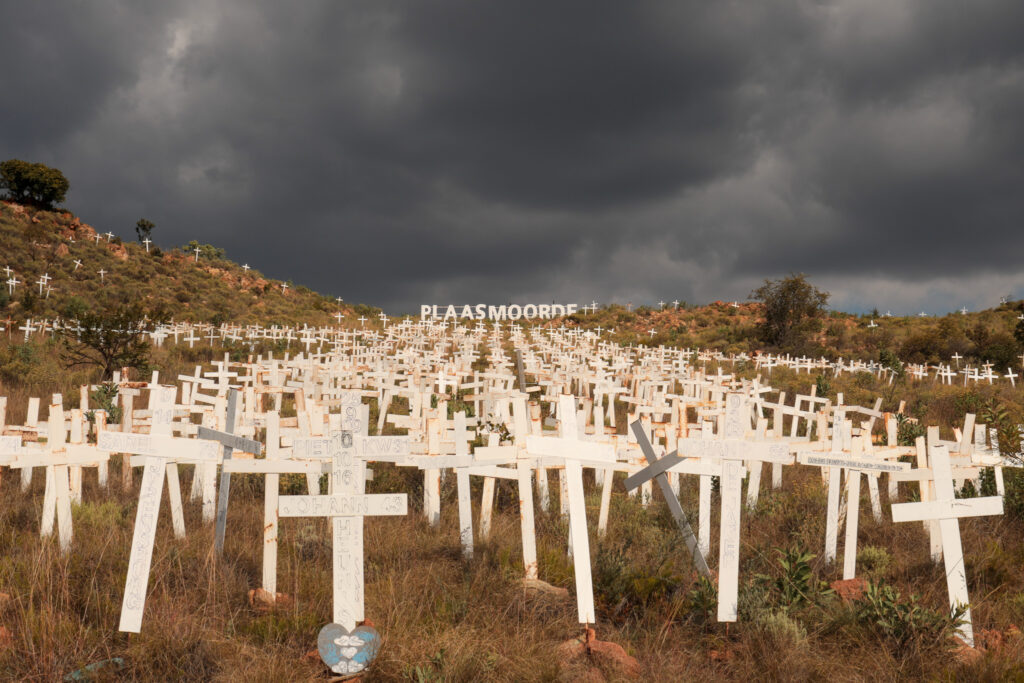
The White Cross Monument
The White Cross Monument in the Limpopo province in South Africa stands as a stark memorial to the farmers and their families killed in farm attacks. Started in 2004 by Tabita (Women for Afrikaans), the hillside has since filled with thousands of white crosses, each marking a life cut short in brutal and senseless ways. This living monument is both a grave reminder of unnecessary bloodshed and a call never to forget the suffering of South Africa’s farming communities.

Torture and brutality during farm attacks
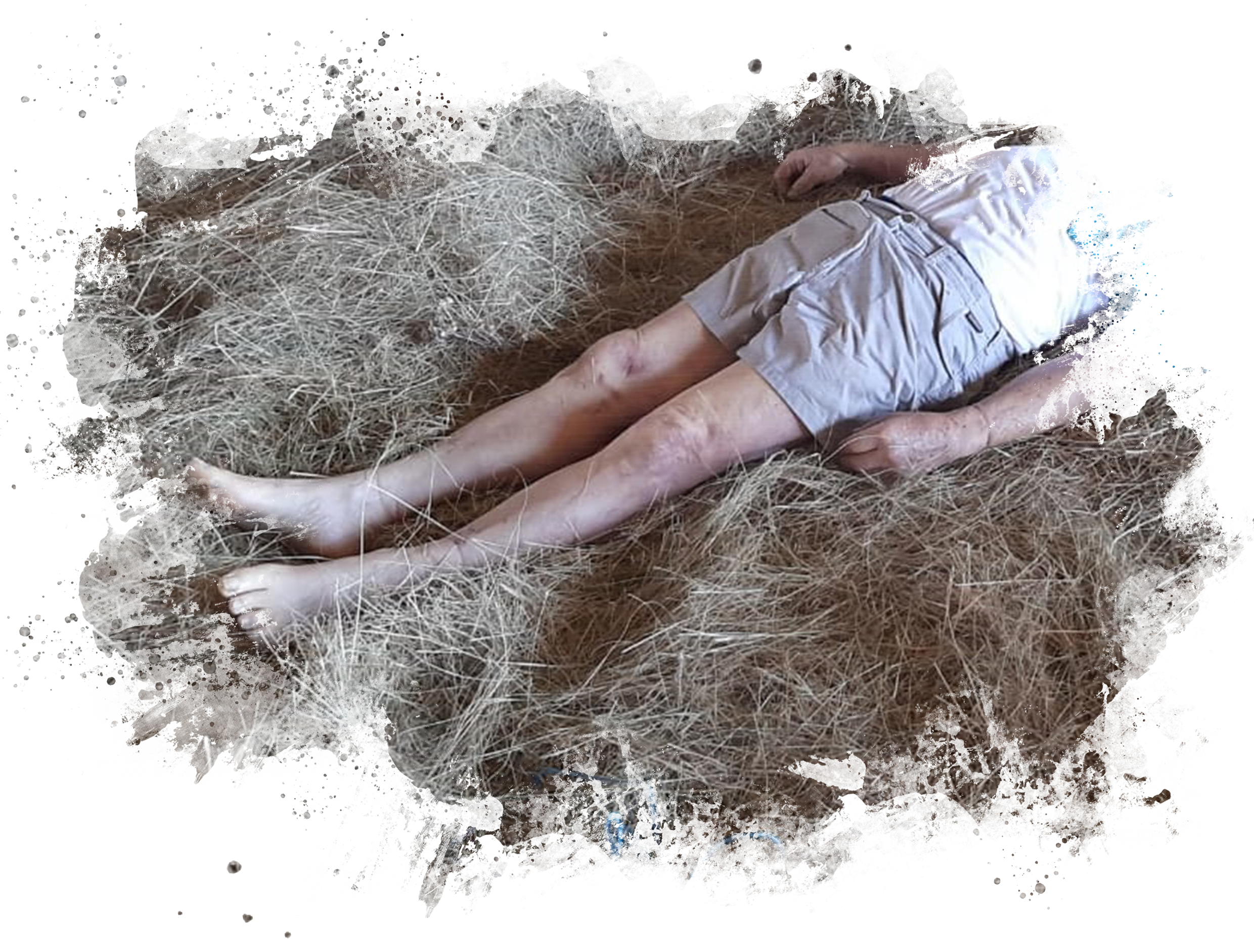
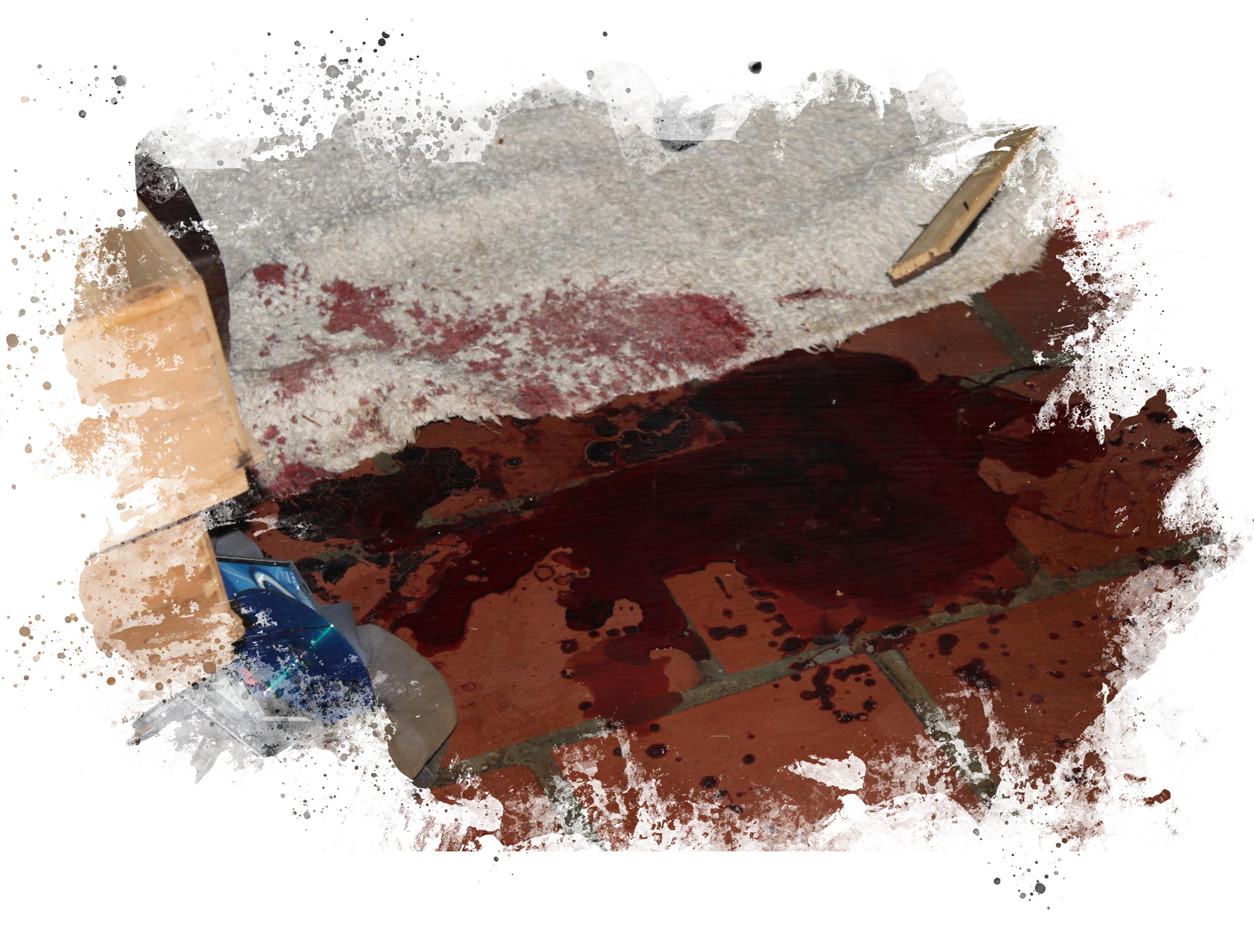
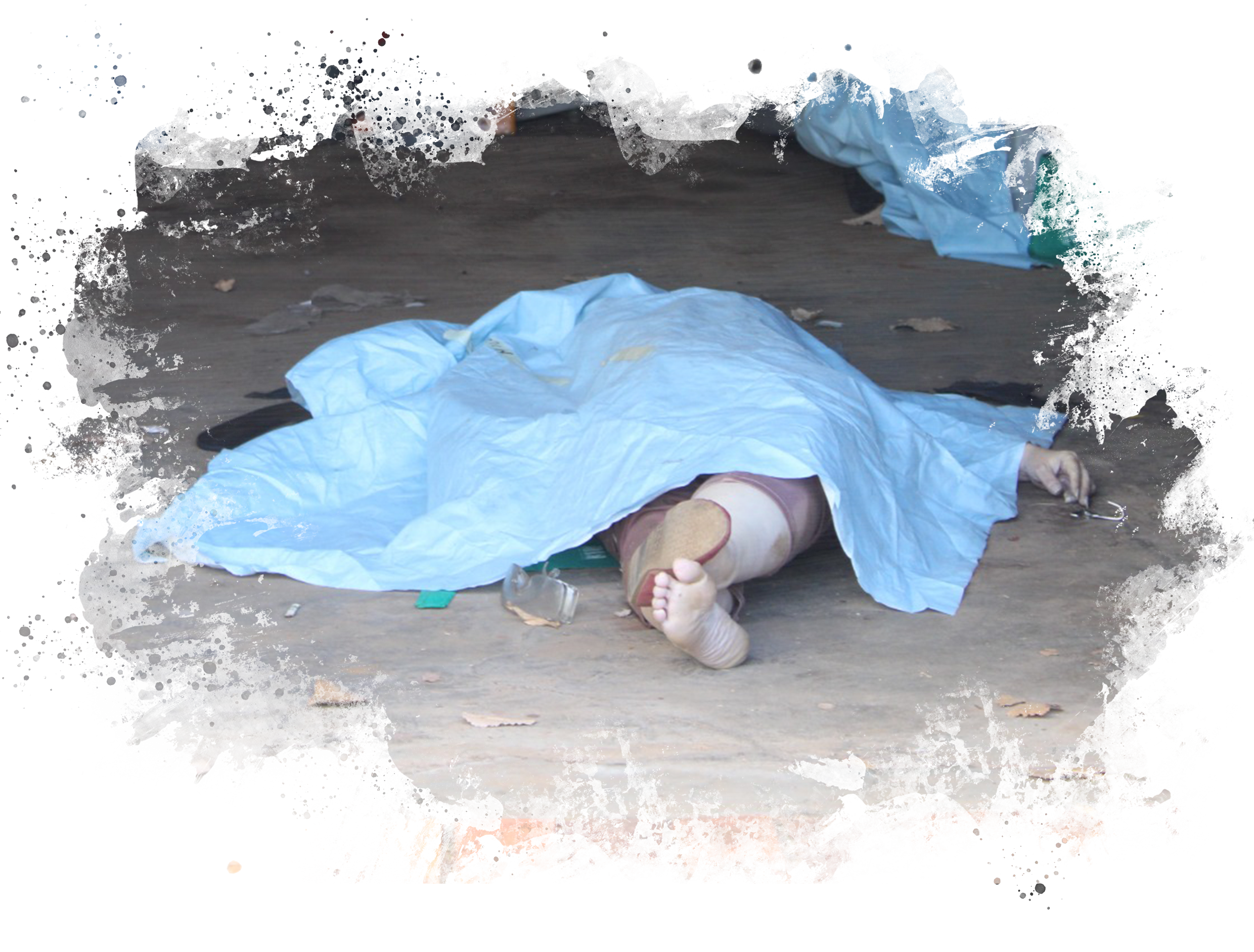
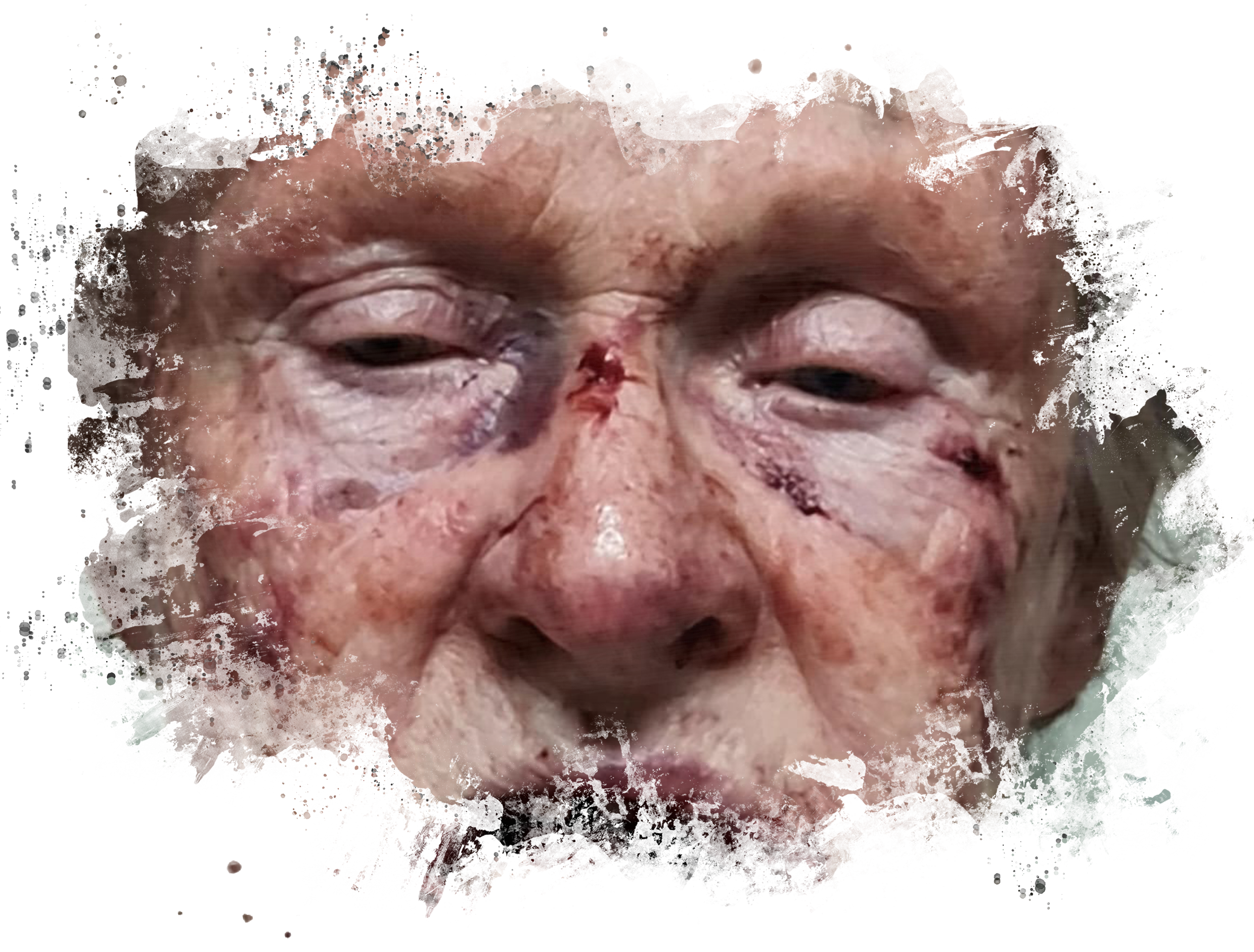
Farm attacks in South Africa are marked by extreme brutality, often involving prolonged torture before murder. These assaults go far beyond theft, with victims subjected to horrific violence—burned with irons, beaten, tied with wire, mutilated, or raped—sometimes with nothing being stolen.
The cruelty is evident in cases like two-year-old Wilmien Potgieter, shot point-blank alongside her parents in 2010, or Helen and Alice Lotter, mutilated for hours in 2010, including being sexually assaulted with a broken glass bottle. Other victims have been tortured with electric drills, blowtorches, and there has even been an attempt to shove a six-year-old into an oven. In 2023, 15-year-old Jayden Louw was killed protecting his mother. More recently, in 2025, Natie Vos was bludgeoned with a hammer in front of his children. He miraculously survived.
These crimes instill terror in farming communities, suggesting motives beyond robbery—sometimes political or racial intimidation. Survivors face lifelong trauma, while families are left shattered.
These attacks threaten not only lives but also South Africa’s food security. Yet deprioritization by government since 2007 has left rural communities increasingly vulnerable. These are not just murders—they are acts of terror, targeting the very heart of the nation’s food producers.
Farm Attacks and political Complacency
The following timeline highlights the South African government’s inaction in addressing farm attacks and murders.
Terminology:
- BOER: the Afrikaans term for farmer.
- COMMANDO SYSTEM: A voluntary, part-time reserve component of the South African Army (as part of the old Citizen Force). Each Commando unit was charged with safeguarding and protecting a specific community, whether rural farms or urban suburbs. The Commandos functioned somewhat similarly to the U.S. state’s National Guard.
- Directorate for Priority Crime Investigation (DPCI), commonly known as the Hawks. The DPCI is similar to the U.S Federal Bureau of Investigation (FBI).
- South Africa’s Minister of Safety and Security (later changed to Minister of Police): In terms of the South African Constitution, the Minister of Police sets South Africa’s National Policing Policy. The role most akin to a Minister of Police is the U.S Attorney General.
- The South African Police Service (SAPS): South Africa’s single, national police force. Unlike the United States, which maintains federal, state, and local law enforcement agencies, South Africa relies on a single national police service.
The timeline to the crisis
1997
Former South African President Nelson Mandela announced the Rural Protection Plan.
1998
The South African government hosts the Rural Safety Summit to address rural safety in general, and farm attacks in particular, by enhancing existing strategies and developing new plans of action. Farm attacks received priority crime status.
2001 to 2003
At the behest of the former Minister of Safety and Security, the SAPS National Commissioner appointed a Committee of Inquiry into Farm Attacks, tasked with examining the nature of farm attacks. The committee released its report in 2003. One of the criticisms levelled against the report is that the Committee failed to address extremely high levels of violence and even torture of victims associated with farm attacks.
2001
According to the Committee of Inquiry, a total of 6122 farm attacks and 1254 killings occurred between 1991 and 2001.
2003
Former South African President Thabo Mbeki, “without any consultation or prior warning, announced the closing down of the ‘commandos’, a cornerstone of the Rural Safety Plan”, essentially deprioritising farm security.
2006
73% of South African commando units were phased out. In 2013, a research paper from the University of the Free State concluded that the disbandment of the commando units compromised rural safety.
2008
The South African government ceased the publication of statistics on farm attacks and murders.
2010
Julius Malema, then president of the ruling African National Congress Youth League and current Commander-in-Chief of the Economic Freedom Fights (EFF) publicly chant “Shoot the Boer”.
2010
When questioned in Parliament (similar to U.S. Congress) about farm attacks and killings, the then former Minister of Police simply replied that “farm murders are not tracked separately; they fall under the overall murder figures, because a murder remains the same no matter the location.”
2012
During a wreath-laying ceremony for victims of farm murders organised by civil rights organisation AfriForum, a memorandum was handed to a representative of the Minister of Police. The memorandum requested that farm murders be declared a priority crime. Although the receipt was acknowledged, the minister provided no further feedback.
2012
Activists marched to the Union Buildings (similar to the U.S White House) to demand action on violent crime. A memorandum was handed to the President’s delegate, urging him to treat farm murders as a priority. Although the President’s office confirmed that it had received the document and forwarded it to the police minister, the Minister never acknowledged or responded to the request.
2012
Activists marched to the Union Buildings (similar to the U.S White House) to demand action on violent crime. A memorandum was handed to the President’s delegate, urging him to treat farm murders as a priority. Although the President’s office confirmed that it had received the document and forwarded it to the police minister, the Minister never acknowledged or responded to the request.
2012
Civil rights organisation AfriForum sent a letter to the newly appointed National Police Commissioner, urgently urging her and the Police Minister to work together to address farm murders. The Minister’s office was also notified, but neither responded. Approximately four months later, the Commissioner replied, redirecting AfriForum to the National Rural Safety Strategy.
2012
In Cape Town, activists presented a memorandum on farm attacks to the Speaker of the National Assembly. Although the document was officially received, it elicited no subsequent response.
2012
Civil rights organization AfriForum announced a National Day of Protest in collaboration with victims of farm attacks and submitted a memorandum urging the prioritization of farm attacks to more than one hundred police stations across South Africa. The Minister of Police’s office, which received a copy, provided no reply. Before the protest, the Minister attempted to block the protest, going so far as to declare the protest illegal.
2013
Civil rights organization AfriForum forwarded a report on farm murders to the Minister, who immediately attacked it as racist and disregarded its contents.
2015
Civil rights organization AfriForum accompanied a farm attack victim to police headquarters to submit a memorandum calling for farm murders to receive priority-crime status. Police officers aggressively expelled AfriForum and the victim.
2015 to 2016
Civil rights organization AfriForum submitted a request under the Promotion of Access to Information Act for a full breakdown of police statistics on farm attacks and murders. When SAPS failed to respond, AfriForum took the case to court.
2018
According to data from the SAPS, between the 1996/1997 and 2014/2015 fiscal years, there were 12,567 farm attacks and 1,733 farm murders.
2018
During a parliamentary session, the Minister of Police told the South African official opposition party, the Democratic Alliance, that the SAPS, “Murder and Robbery unit and the Hawks, will respond to… all attacks on farms and small holdings,” implying these incidents were already deemed priority crimes. However, one month later, he reversed course, stating that farm attacks and murders would not receive priority-crime status.
2018
In an interview with an international news organisation prompted by a tweet from U.S. President Trump, the President of South Africa, Cyril Ramaphosa, asserted that “there are no killings of farmers or white farmers in South Africa.
2020
AfriForum writes an open letter to South African President Cyril Ramaphosa, requesting a meeting to address the crisis of farm murders. The meeting never took place.
2022 to 2024
The South African Supreme Court of Appeal (similar to the United States Courts of Appeals) found that the sign “Kill the Boer” is not hate speech.
2024
AfriForum recorded 2,117 farm attacks from January 2019 to December 2024. In these attacks, 305 people were murdered.
2025
The South African Constitutional Court (similar to the US Supreme Court) ruled that the chanting of “Kill the Boer” is not hate speech.
2025
AfriForum makes an urgent submission to the National Police Commissioner, requesting that farm attacks be classified as a national priority crime. The DPCI notifies AfriForum that farm attacks will not receive priority crime status.
2025
In a span of eleven days, there were at least five brutal farm attacks in four different provinces.
2025
U.S. President Donald Trump confronted South African President Cyril Ramaphosa in a live broadcasted meeting in the Oval Office. Trump asked to dim the lights in the Oval Office and displayed a video montage featuring footage of opposition figures like Julius Malema and Jacob Zuma singing the controversial struggle song “Dubul’ ibhunu” (“Kill the Boer,” often interpreted as “Kill the farmer”).The imagery was presented as evidence that farmers were being targeted in South Africa.
2025
Afrikaner delegations meet with White House Officials and think tanks to discuss Afrikaner concerns, South Africa’s place in AGOA and the bilateral relationship between South Africa and the USA, which has reached a low point.
2025
The US State Department’s Bureau of Democracy, Human Rights, and Labor released a detailed report which found that the human rights situation in South Africa has significantly worsened during the year. It raises concerns about the Expropriation Act, and other abuses against racial minorities in the country, as outlined in the government’s long list of racially discriminatory laws. It also states that the government “did not take credible steps to investigate, prosecute, and punish officials who committed human rights abuses, including inflammatory racial rhetoric against Afrikaners and other racial minorities, or violence against racial minorities.”
2025
Civil Rights Organisastion AfriForum welcomed the report and once again called on President Cyril Ramaphosa to condemn the “Kill the Boer” chant, amend the Expropriation Act, end racially discriminatory laws, and classify farm murders as a priority crime.
2025
South African government rejects the report of US State Department’s Bureau of Democracy, Human Rights, and Labor stating that it is not based on facts.
Farm Attacks and political Complacency
The following timeline highlights the South African government’s inaction in addressing farm attacks and murders.
Terminology:
- BOER: the Afrikaans term for farmer.
- COMMANDO SYSTEM: A voluntary, part-time reserve component of the South African Army (as part of the old Citizen Force). Each Commando unit was charged with safeguarding and protecting a specific community, whether rural farms or urban suburbs. The Commandos functioned somewhat similarly to the U.S. state’s National Guard.
- Directorate for Priority Crime Investigation (DPCI), commonly known as the Hawks. The DPCI is similar to the U.S Federal Bureau of Investigation (FBI).
- South Africa’s Minister of Safety and Security (later changed to Minister of Police): In terms of the South African Constitution, the Minister of Police sets South Africa’s National Policing Policy. The role most akin to a Minister of Police is the U.S Attorney General.
- The South African Police Service (SAPS): South Africa’s single, national police force. Unlike the United States, which maintains federal, state, and local law enforcement agencies, South Africa relies on a single national police service.
The timeline to the crisis
1997
Former South African President Nelson Mandela announced the Rural Protection Plan.
1998
The South African government hosts the Rural Safety Summit to address rural safety in general, and farm attacks in particular, by enhancing existing strategies and developing new plans of action. Farm attacks received priority crime status.
2001 to 2003
At the behest of the former Minister of Safety and Security, the SAPS National Commissioner appointed a Committee of Inquiry into Farm Attacks, tasked with examining the nature of farm attacks. The committee released its report in 2003. One of the criticisms levelled against the report is that the Committee failed to address extremely high levels of violence and even torture of victims associated with farm attacks.
2001
According to the Committee of Inquiry, a total of 6122 farm attacks and 1254 killings occurred between 1991 and 2001.
2003
Former South African President Thabo Mbeki, “without any consultation or prior warning, announced the closing down of the ‘commandos’, a cornerstone of the Rural Safety Plan”, essentially deprioritising farm security.
2006
73% of South African commando units were phased out. In 2013, a research paper from the University of the Free State concluded that the disbandment of the commando units compromised rural safety.
2008
The South African government ceased the publication of statistics on farm attacks and murders.
2010
Julius Malema, then president of the ruling African National Congress Youth League and current Commander-in-Chief of the Economic Freedom Fights (EFF) publicly chant “Shoot the Boer”.
2010
When questioned in Parliament (similar to U.S. Congress) about farm attacks and killings, the then former Minister of Police simply replied that “farm murders are not tracked separately; they fall under the overall murder figures, because a murder remains the same no matter the location.”
2012
During a wreath-laying ceremony for victims of farm murders organised by civil rights organisation AfriForum, a memorandum was handed to a representative of the Minister of Police. The memorandum requested that farm murders be declared a priority crime. Although the receipt was acknowledged, the minister provided no further feedback.
2012
Activists marched to the Union Buildings (similar to the U.S White House) to demand action on violent crime. A memorandum was handed to the President’s delegate, urging him to treat farm murders as a priority. Although the President’s office confirmed that it had received the document and forwarded it to the police minister, the Minister never acknowledged or responded to the request.
2012
Activists marched to the Union Buildings (similar to the U.S White House) to demand action on violent crime. A memorandum was handed to the President’s delegate, urging him to treat farm murders as a priority. Although the President’s office confirmed that it had received the document and forwarded it to the police minister, the Minister never acknowledged or responded to the request.
2012
Civil rights organisation AfriForum sent a letter to the newly appointed National Police Commissioner, urgently urging her and the Police Minister to work together to address farm murders. The Minister’s office was also notified, but neither responded. Approximately four months later, the Commissioner replied, redirecting AfriForum to the National Rural Safety Strategy.
2012
In Cape Town, activists presented a memorandum on farm attacks to the Speaker of the National Assembly. Although the document was officially received, it elicited no subsequent response.
2012
Civil rights organization AfriForum announced a National Day of Protest in collaboration with victims of farm attacks and submitted a memorandum urging the prioritization of farm attacks to more than one hundred police stations across South Africa. The Minister of Police’s office, which received a copy, provided no reply. Before the protest, the Minister attempted to block the protest, going so far as to declare the protest illegal.
2013
Civil rights organization AfriForum forwarded a report on farm murders to the Minister, who immediately attacked it as racist and disregarded its contents.
2015
Civil rights organization AfriForum accompanied a farm attack victim to police headquarters to submit a memorandum calling for farm murders to receive priority-crime status. Police officers aggressively expelled AfriForum and the victim.
2015 to 2016
Civil rights organization AfriForum submitted a request under the Promotion of Access to Information Act for a full breakdown of police statistics on farm attacks and murders. When SAPS failed to respond, AfriForum took the case to court.
2018
According to data from the SAPS, between the 1996/1997 and 2014/2015 fiscal years, there were 12,567 farm attacks and 1,733 farm murders.
2018
During a parliamentary session, the Minister of Police told the South African official opposition party, the Democratic Alliance, that the SAPS, “Murder and Robbery unit and the Hawks, will respond to… all attacks on farms and small holdings,” implying these incidents were already deemed priority crimes. However, one month later, he reversed course, stating that farm attacks and murders would not receive priority-crime status.
2018
In an interview with an international news organisation prompted by a tweet from U.S. President Trump, the President of South Africa, Cyril Ramaphosa, asserted that “there are no killings of farmers or white farmers in South Africa.
2020
AfriForum writes an open letter to South African President Cyril Ramaphosa, requesting a meeting to address the crisis of farm murders. The meeting never took place.
2022 to 2024
The South African Supreme Court of Appeal (similar to the United States Courts of Appeals) found that the sign “Kill the Boer” is not hate speech.
2024
AfriForum recorded 2,117 farm attacks from January 2019 to December 2024. In these attacks, 305 people were murdered.
2025
The South African Constitutional Court (similar to the US Supreme Court) ruled that the chanting of “Kill the Boer” is not hate speech.
2025
AfriForum makes an urgent submission to the National Police Commissioner, requesting that farm attacks be classified as a national priority crime. The DPCI notifies AfriForum that farm attacks will not receive priority crime status.
2025
In a span of eleven days, there were at least five brutal farm attacks in four different provinces.
2025
U.S. President Donald Trump confronted South African President Cyril Ramaphosa in a live broadcasted meeting in the Oval Office. Trump asked to dim the lights in the Oval Office and displayed a video montage featuring footage of opposition figures like Julius Malema and Jacob Zuma singing the controversial struggle song “Dubul’ ibhunu” (“Kill the Boer,” often interpreted as “Kill the farmer”).The imagery was presented as evidence that farmers were being targeted in South Africa.
2025
Afrikaner delegations meet with White House Officials and think tanks to discuss Afrikaner concerns, South Africa’s place in AGOA and the bilateral relationship between South Africa and the USA, which has reached a low point.
2025
The US State Department’s Bureau of Democracy, Human Rights, and Labor released a detailed report which found that the human rights situation in South Africa has significantly worsened during the year. It raises concerns about the Expropriation Act, and other abuses against racial minorities in the country, as outlined in the government’s long list of racially discriminatory laws. It also states that the government “did not take credible steps to investigate, prosecute, and punish officials who committed human rights abuses, including inflammatory racial rhetoric against Afrikaners and other racial minorities, or violence against racial minorities.”
2025
Civil Rights Organisastion AfriForum welcomed the report and once again called on President Cyril Ramaphosa to condemn the “Kill the Boer” chant, amend the Expropriation Act, end racially discriminatory laws, and classify farm murders as a priority crime.
2025
South African government rejects the report of US State Department’s Bureau of Democracy, Human Rights, and Labor stating that it is not based on facts.